
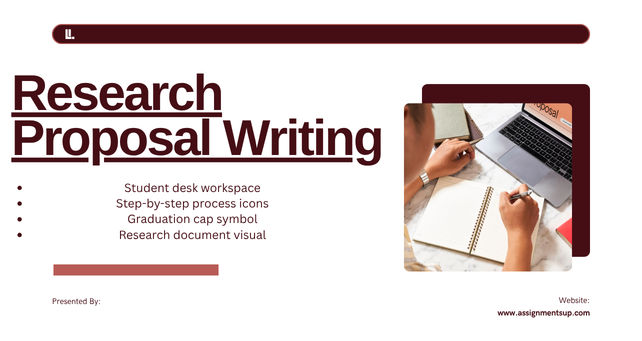
Making a Research Proposal Writing is one of those academic tasks which sounds easy till you sit down to write one. You’ve got a topic and you may even have an idea about what you are going to study, but getting it into a well-organized, solid and effective paper is another matter. You’re not alone; thousands of students have stared at the blank page, wondering what to do next, after making it through the semester.
This guide walks students through the process of writing a research proposal step-by-step, and covers the most common challenges that students encounter when writing research proposals: selecting a research topic, organizing a research proposal, writing the literature review, and common pitfalls that result in proposals being rejected.
Why Choosing the Right Research Topic Feels So Hard
The first challenge in writing a research proposal is choosing a topic – a challenge that most students find themselves at a loss about. If it’s too general, then you have nothing to focus on and if it’s too specific, you have very little to write. The term ‘study of social media’ does not constitute a research topic, it’s a category. You must have a specific enough research question to explore in depth such as the impact of a specific platform on a specific group’s behaviours.
To determine what to research, ask yourself the following 3 questions: Can I do this topic? Is there sufficient literature that substantiates it? And will it fill an actual gap, not an already answered one dozen times? If you answered yes to all three, you’re headed in the right direction!
It also helps to prevent topics which are merely of personal interest and not academic. Your research goals and your topic must be related in a logical way; if they are not, then your entire proposal begins to sound disjointed as you start writing the first sentence.
Understanding the Research Proposal Format and Structure
After you’ve nailed your topic, you’ll need to nail your structure. Many students either miss out on important parts or add a lot of information to the wrong parts. Most research proposals go through a predictable format, although this is slightly different depending on the university, the format is as follows:
Introduction – your pitch. Write a 2-3 paragraph description of the research you want to conduct, why it is important, and the need it will address. Imagine you are trying to convince a stranger to give you his time and attention.
Explain the topic and its significance in the context of the background (explain why it is worth studying at this time).
Literature Review – A summary of existing research on your topic, what’s known and what isn’t.
Research Questions or Objectives – Answerable, specific and clear. This should be a continuation of your literature review.
Methodology — Your approach to your research (qualitative, quantitative, or mixed), how you will collect the data, and how you will analyze it.
Timeline — An accurate timeline of the different parts of your research.
Limitations — a frank admission of what you will not be able to study.
When you stick to this research plan outline, your research paper will be organized, and it will let your supervisor or committee know that you’ve thought the project through correctly.
Writing a Literature Review Without Losing Focus
More students fall into the literature review section than in any other proposal section. The error typically isn’t a lack of effort, it’s a lack of direction. Students read a lot of sources and then attempt to synthesize all this information into a coherent, clear argument and end up with a wall of text rather than a coherent argument.
The key features of a good literature review are that it demonstrates that you are familiar with the state of the literature and it also helps you to determine what area or gap in the literature you are filling. Instead of providing a series of studies, cluster them by theme or discovery and use them as a stepping stone to your own research question. Plus, don’t overlook a significant or key work that you have covered; even if the rest of the sources in your proposal are good, this omission makes it sound like your proposal is incomplete.
Defining Research Objectives and Aims That Actually Align
One surprising problem that many people run into when writing a research proposal is that they don’t align their research aim with their objectives and research questions. The thing that you’re trying to see or learn is the aim. Your goals are what you can quantify and do to reach your objectives. Your research questions actually direct your data collecting.
If any of these three elements conflict with each other, your project seems unorganized and readers catch the fact at a glance. Before settling on your proposal, review again: Are all your objectives directly tied to your stated goal? Can each research question be used to answer one of those objectives? If something feels out of place, it is most likely out of place.
Common Mistakes That Get Research Proposals Rejected
In addition to issues about the topic and structure there are some common errors that appear in proposals that have been rejected:
- Broad scope — attempting to include too much and not really getting in depth into one specific area.
- Lack of theoretical support — lack of reference to existing theory or frameworks.
- The use of vague methodology — vague terms like, ‘I will analyze the data’.
- Bad formatting and the lack of care in writing, even good ideas, don’t speak for themselves.
- Failure to follow the formatting and content guidelines of the university the assignment is from (the requirements vary from university to university, and it is easy to be sent back for revisions if you don’t follow them).
Even if you do not face these problems, a proposal is not certain to be accepted, but these are the most likely grounds for rejection in the first place.
How Long Should a Research Proposal Be?
It’s one of the most common questions and the truth is that it doesn’t matter for your program and institution. Most undergraduate proposals are only a couple of pages, while PhD-level proposals could be between 1,500 and 2,000 words or more. Do not assume a word count; your department will make an exception of what is clear and complete.
Conclusion
The purpose of writing a research proposal is to convey effectively to others what you want to research; why it is important; and how you are going to do it, rather than to produce a polished academic masterpiece on your first try. Identify a clear topic, use a logical structure, ensure a purposeful literature review, and ensure that aims, objectives and questions are coherent and unifying. These are the basics, and the rest of the writing process will not seem as daunting.
Even if you still struggle to put your ideas in a proper proposal, having the guidance of experts on your research proposal writing can save you some time and also make sure that you steer clear of common pitfalls which may cause the rejection of your proposal.